
JURY
JURY
Power
Power
Power
A Community Guide to the Courtroom
A Community Guide to the Courtroom
SAVE THIS Guide
SAVE THIS Guide
Share this Guide
Share this Guide
Why this guide Exists
Why this guide Exists
Illinois leads the WORLD in wrongful convictions.
That reality alone is enough reason for everyday people to understand the courtroom, the process, and the power they hold inside it.
Jury duty is not a chore, it is one of the few places where regular people can interrupt a system that has failed too many times.
This guide exists because people are not told the truth about their power, the legal system depends on jurors not knowing their rights, and communities most harmed by the system deserve the tools to protect themselves.
This is not legal advice.
This is community defense.
WHY JURIES EXIST
WHY JURIES EXIST
Juries were created so the government could not take someone’s freedom without the community’s consent
Courts describe jury duty as a small civic task, but historically it is one of the only places where everyday people can interrupt government power.
Your presence is not symbolic. It is structural. It is community protection.
Juries matter because they are the only independent people in the courtroom. Everyone else is part of the system. You are not.
ILARJ Courtwatching Associate Note:
“When you sit in court long enough, you see how fast things move when no one pushes back. Jurors are the only ones who can slow it down.” - Charlis Harris

THE PIPELINE
THE PIPELINE

How Cases Move Through the System
Before a trial ever happens, the government has already arrested someone, written a police narrative, filed charges, and presented a one-sided story to a grand jury.
By the time a case reaches a jury trial - called a petit jury, the system has already shaped the narrative, filtered the evidence, and created an unspoken presumption that the case is legitimate.
This pipeline is not neutral. It is built to move cases forward - not to question them.
The Grand Jury
The Grand Jury
Where the State Tells Its Story First
What the Grand Jury Was Supposed to Be
The grand jury was designed as the community’s first line of defense - a place where regular people could block weak, biased, or unjust attempts to charge someone before they ever occur
What Actually Happens
Only the prosecutor is allowed in the room. There is no defense attorney, no cross-examination, and no requirement to present exclupatory evidence (evidence that excuses, justifies, or absolves the alleged fault/guilt of the person being targeted for prosecution). The prosecutor chooses what evidence to present and what evidence to withhold. An overwhelming number of cases get approved to proceed - known as indictment.
ILARJ Courtwatching Associate Note:
“Grand jurors don’t even know they can ask for more. They think the prosecutor is the whole truth.” - Scott Pollack
What Grand Jurors Can Do
Grand jurors can demand more evidence, recall witness, request new witnesses, slow the process down, ask for independent legal counsel, and refuse to indict. These powers are rarely, if ever, explained.
Jury Nullification in the Grand Jury
Through jury nullification, grand jurors can also serve as a check on the prosecution- the executive branch - by refusing to indict when the law is being used unjustly, the charge seems extreme, the case appears targeted, or the charge would cause more harm than justice.
The Racial History
Grand juries have been - and some would argue continue to be - used to disproportionately charge Black and Brown people, shield white defendants, validate discriminatory policing, and create a pipeline into the system that, where once indicted, the charged person must prove innocence instead of the government proving guilt.
The Structural Problem
The grand jury is supposed to check the executive branch. However, in practice, this process is controlled by the executive branch. The only independent people in the room are the jurors - and they are not given the tools to act independently.

Why Grand Jury Reform is necessary
Why Grand Jury Reform is necessary
Once a case passes the grand jury, all parties to the process treat the charge as legitimate - even though it was never tested.
The indictment creates a presumption of validity. Judges treat the case as if it has already been reviewed. Prosecutors use the indictment as leverage. The trial jury walks in unaware that the deck is already stacked.
The trial jury is not entering a neutral process. They are entering a process where the government has already been given a head start.
The grand jury’s failure does not empower the trial jury. On the contrary, it forces the trial jury to carry the weight of a system that operates in a way that has and continues to result in disproportionate harm to certain communities.
When the first safeguard systematically fails, the second safeguard becomes overloaded and unable to fulfill its obligation.
What Real Reform Looks Like
What Real Reform Looks Like
A fair and independent grand jury system would include:
Requiring prosecutors to disclose grand jury transcripts to charged parties
Banning false or misleading testimony
Allowing targets to participate or respond in writing
Giving grand juries their own independent and neutral attorney
Requiring statewide reporting on indictments and dismissals
Creating accountability for misconduct
Until real reform happens, jurors remain one of the most powerful checks on the system.
ILARJ Courtwatching Associate Note:
“If grand jurors had the tools and independence they were meant to have, half the cases we see would never make it to trial.” - Charlis Harris

Entering the Courtroom
Entering the Courtroom
What Jurors Aren’t Told
When you walk into a courtroom as a trial juror, you are told to follow instructions, not question the law, and trust the process.
You are not told that the grand jury never tested or even heard all the evidence, the indictment creates a presumption of legitimacy, the case is already perceived as valid, and the defense is starting from behind.
You are the only independent people in the room.
VOIR DIRE
VOIR DIRE
How Prosecutors Shape the Jury
Voir Dire is not about finding fair jurors. It is about shaping the jury to favor the government.
Prosecutors remove people who question the police, understand systemic racism, know their rights, or think independently. Defense attorneys try to push back, but they are limited.
Voir dire is where the government tries to build a jury that will trust them without question.
Inside The Trial
Inside The Trial
How the Government Controls the Narrative
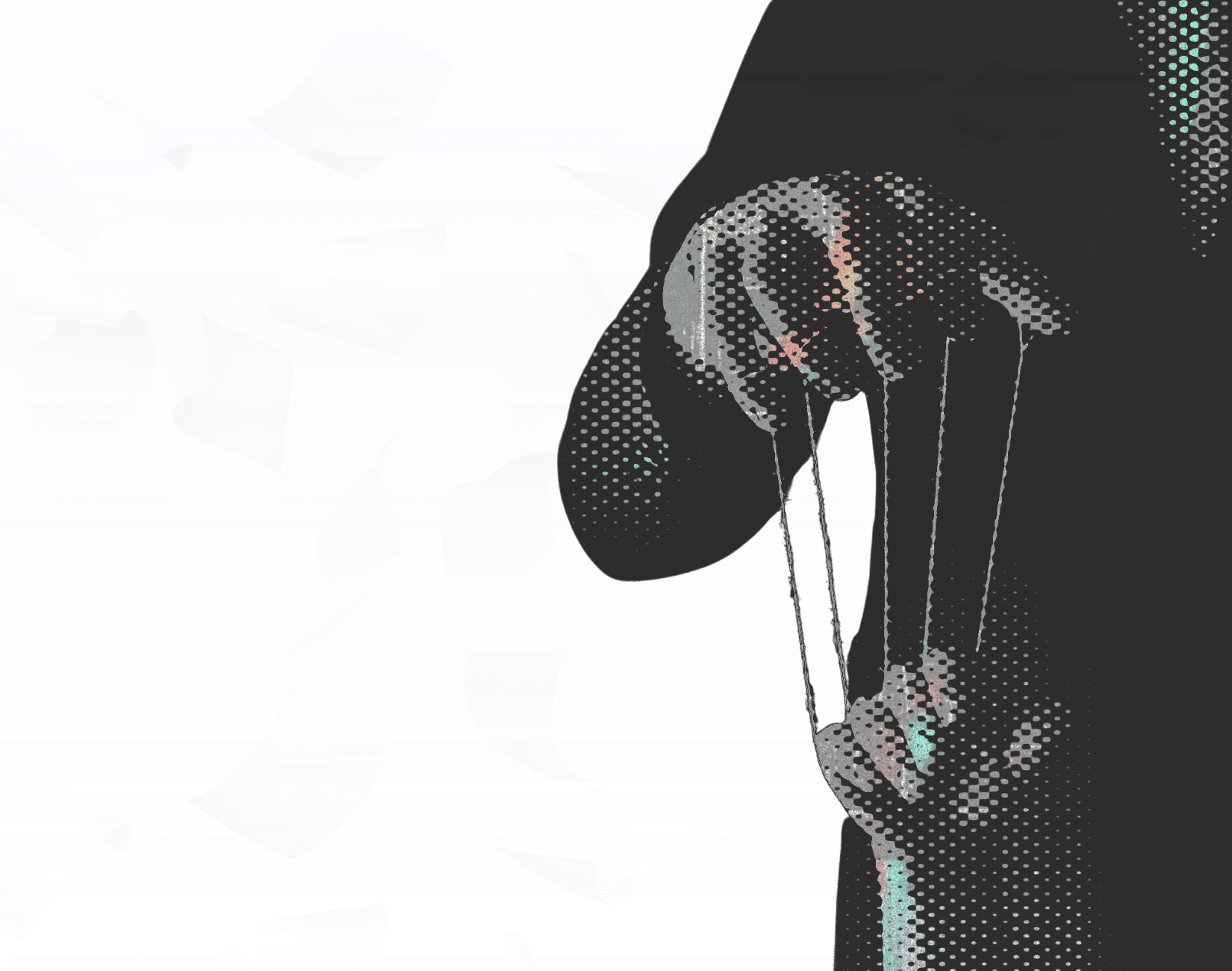
During trial, prosecutors choose the charges, witnesses, evidence, and story. Defense attorneys cannot call certain witnesses, introduce certain evidence, or explain systemic failures. Judges control what jurors hear and see.
The trial is not neutral. It is structured.

Jury Nullification at Trial
Jury Nullification at Trial
Trial jurors, like grand jurors, have the power to refuse to convict when the law is unjust, the charges are unreasonable, the process was biased, the evidence is weak, or the government acted unfairly. Each of these circumstances can constitute a failure of the government to meet its burden of proof.
Jurors cannot be punished for their verdict. They cannot be forced to explain it. They cannot be overturned for using their power to serve as a check on the executive branch.

The racial history of Trial Juries
The racial history of Trial Juries
Trial juries have been used to convict Black, Brown, and low wealth defendants with little evidence, acquit white wealthy defendants despite overwhelming evidence, enforce racial hierarchy, and legitimize discriminatory policing.
ILARJ Courtwatching Associate Note:
“You can feel the history in the room. Some judges still talk to Black defendants like it’s 1950.” — Scott Pollack
What Jurors can Actually do
What Jurors can Actually do
Jurors can slow the process down, ask questions, request clarification, refuse to convict, challenge the government’s narrative, and protect the community.
One juror saying “I’m not convinced” can change everything.

A Community Call to Action
A Community Call to Action
The courtroom belongs to the PEOPLE - not the judge, not the courtroom staff, and not the prosecutor.
And because the courtroom belongs to the PEOPLE… the real power in the courtroom belongs to the PEOPLE on the jury.
Right now, Illinois leads the WORLD in wrongful convictions, but it does not have to stay that way.
When jurors understand their power, the system must change. When communities understand their power as jurors, the system will not continue as it is.
This guide is not the end of the work to be done.
It is the beginning.
FUNDING PROVIDED IN WHOLE OR IN PART BY THE ILLINOIS CRIMINAL JUSTICE INFORMATION AUTHORITY. POINTS OF VIEW OR OPINIONS CONTAINED WITHIN THIS DOCUMENT ARE THOSE OF THE AUTHOR AND DO NOT NECESSARILY REPRESENT THE OFFICIAL POSITION OR POLICIES OF THE STATE OF ILLINOIS, OR THE ILLINOIS CRIMINAL JUSTICE INFORMATION AUTHORITY